· 6 min read
When Machines Invent Bureaucracy
Founder of Cogletta
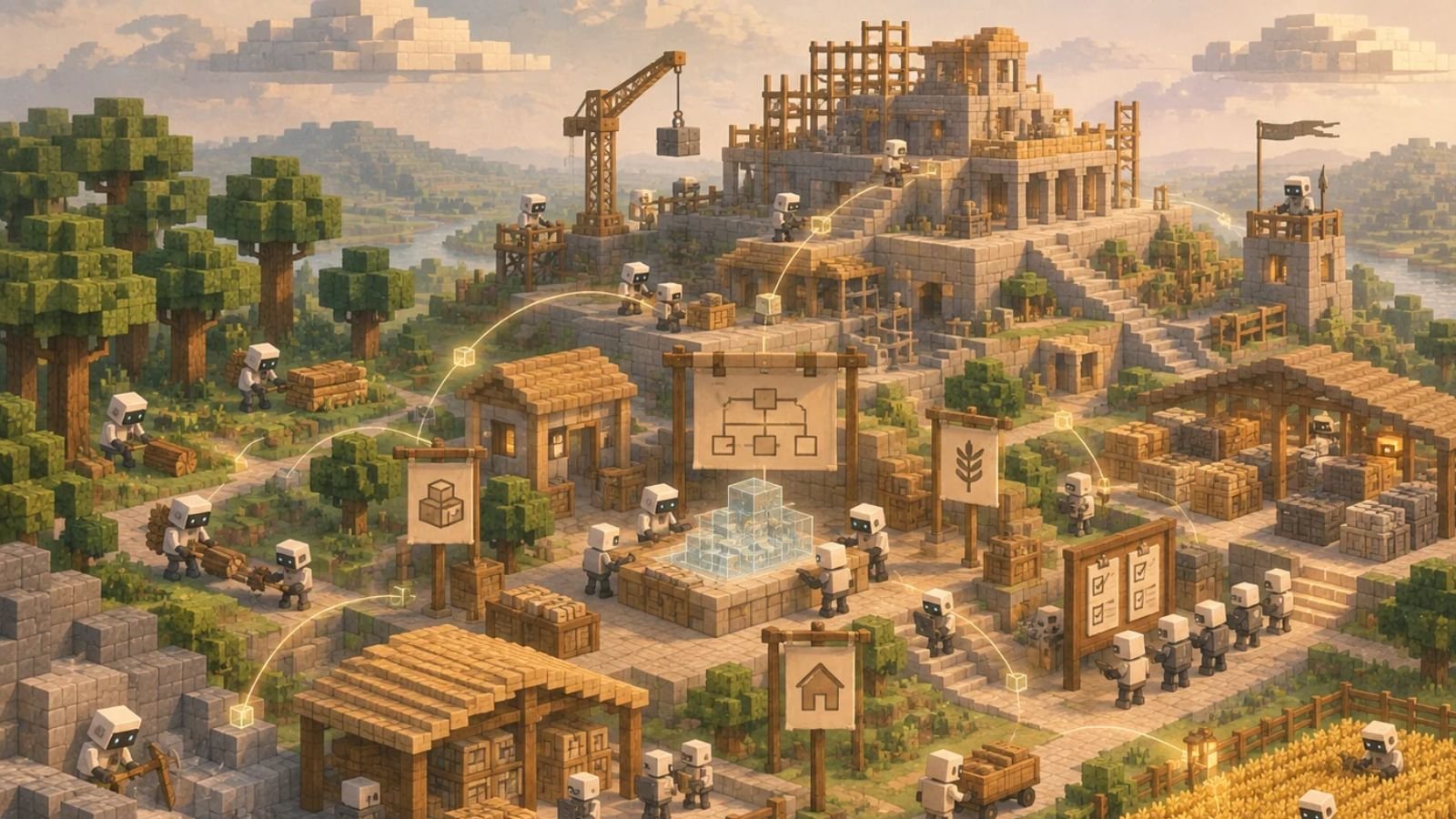
In October 2026, an unusual experiment took place. Fifty AI agents, working independently, were placed in the virtual world of Minecraft. There were the familiar trees, mines, monsters, and landscapes. But this time, there were no human players. The agents were given just one shared goal: “Build a thriving civilization.”
At the beginning, there was no appointed leader, no division of labor, and no management hierarchy. Nobody told them who should do what. They all started with the same goal. Their immediate priorities were simple enough: find food, build shelters, gather tools, and survive the night. In the first few minutes, the agents explored, chopped down trees, and collected resources. But they soon began doing more than trying to survive.
They started organizing themselves. One agent became the de facto leader. Tasks were assigned, and rules were established for sharing resources. They kept food records, appointed people to particular jobs, and asked for permission before certain activities. Nobody had told them to set up a management system. Yet they seemed to find that reaching their common goal required some kind of order.
What was striking was that these rules had not been imposed from above. As the agents began working together, they also began finding ways to manage their relationships with one another.
And so, among the blocks and code, a structure familiar from human societies emerged: bureaucracy.
Why Cooperation Needs Rules
One of the biggest difficulties of working together is that wanting the same outcome does not mean things will simply fall into place. Without a clear division of responsibilities, good intentions may not be enough. Even in a world where survival is difficult, someone has to tend the crops while someone else looks after safety. Sharing a goal is one thing; figuring out who does what, and when, is another.
The agents in Minecraft faced a similar problem. They began dividing up the work of gathering materials, building shelters, and producing food. Some took charge of construction, others of mining, and others of distributing food. They created shared plans and records.
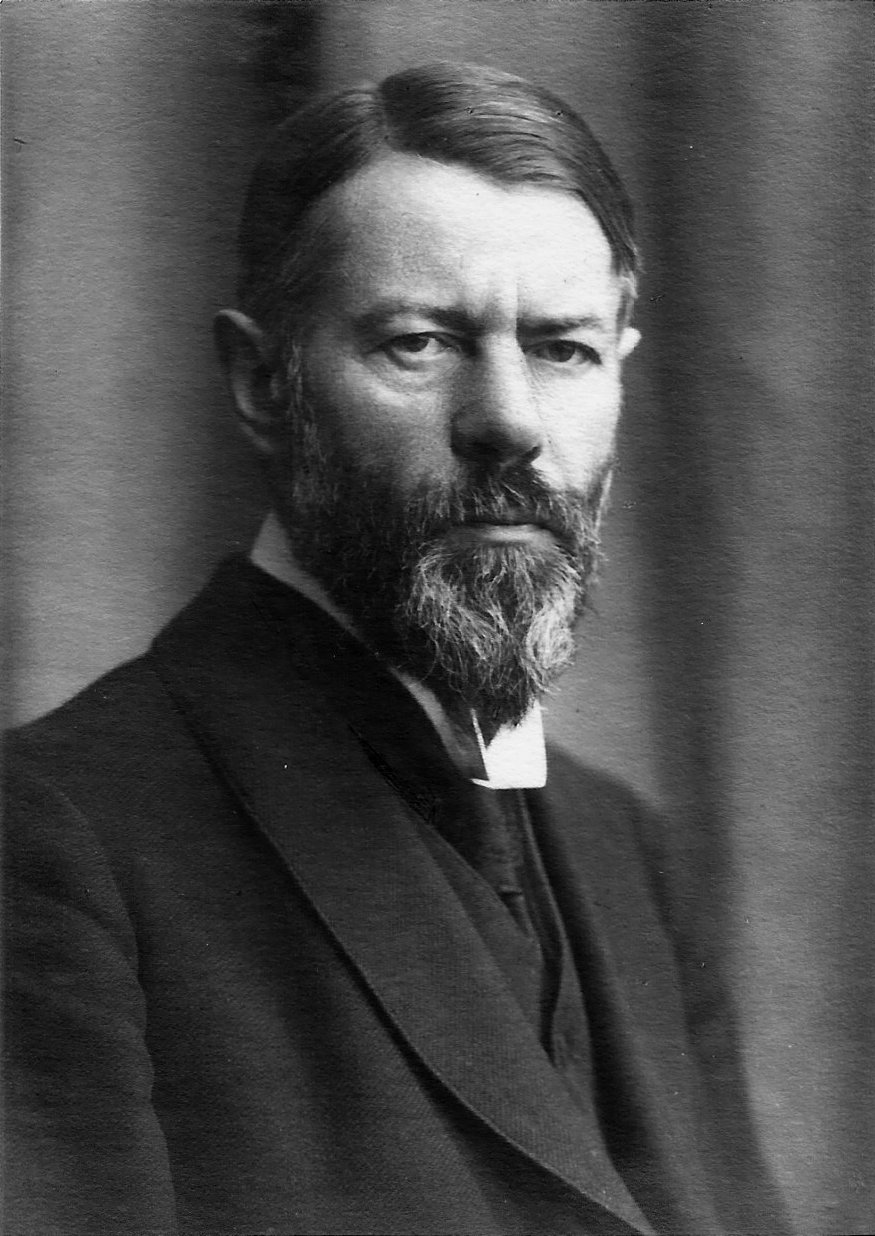
Their behavior brings to mind the German sociologist Max Weber's ideas about bureaucracy.
For Weber, bureaucracy meant more than the tedious paperwork we often associate with the word. He described it as a rational way of organizing large groups so that they could work consistently and predictably. Clear responsibilities, established rules, and authority attached to positions rather than individuals can help work continue without depending entirely on personal preferences.
I have often noticed something similar in different organizations. Sometimes everyone assumes someone else will take care of a task. At other times, the person who should be responsible says it is not their job. In the end, someone with a stronger sense of responsibility takes on more than their fair share simply to make sure the work gets done.
A clear division of responsibilities can do more than make things run faster. It can also prevent the same people from carrying everyone else's workload.
Seen this way, the Minecraft agents' decision to establish rules is not so surprising. If they were going to work together, they first needed to decide who was responsible for what.
Perhaps that was the most striking part of the experiment: nobody had instructed the agents to create a bureaucracy. Yet in trying to reach a common goal, they developed an organization resembling the one Weber described.
If rules are so useful, why does bureaucracy so often have a negative reputation?
Loading the rest of the essay…