· 8 min read
Why We Never Stopped Looking at the Stars
Founder of Cogletta
A spacecraft returns from orbit, passes through Earth's atmosphere, and approaches a launch tower in Texas. As it slows, two enormous mechanical arms close around it, catching it in midair. On November 14, 2026, SpaceX achieved this with the upper stage of its Starship rocket for the first time.
It is the kind of sight that makes us think about the limits of engineering, journeys to Mars, and how far space technology has come. We can send machines beyond our atmosphere and bring some of them back intact. But our interest in the sky did not begin with rockets. Thousands of years before modern instruments existed, people were already watching the stars. What they hoped to find there changed from one age to another.
What did people look for in the stars before they could even imagine reaching them?
When the Stars Kept Time
For early settled communities, looking at the sky was more than an abstract curiosity. It was one way to keep track of time. Without printed calendars, people could watch the changing positions of stars and the return of familiar patterns in the sky to mark the passing seasons.
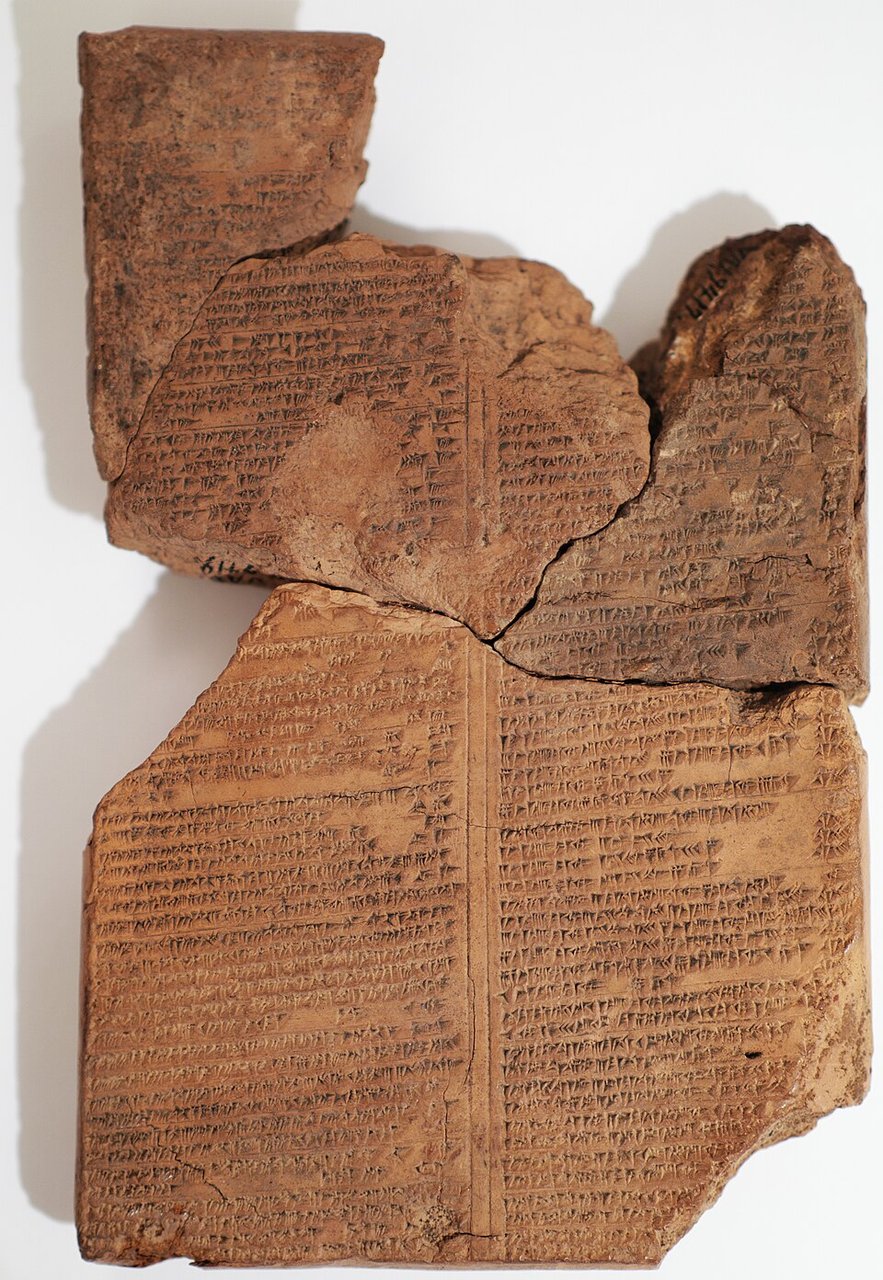
One of the clearest examples comes from ancient Mesopotamia. A collection of astronomical texts known as MUL.APIN, probably compiled around 1000 BCE from earlier observations, shows how carefully people recorded the sky. Its name comes from the opening reference to the Plough Star. The tablets list stars and constellations and note when certain stars first appeared on the eastern horizon before sunrise.
By observing these appearances, Mesopotamian skywatchers could follow the turning of the year. Their records also helped them relate the lunar calendar to the solar year. For societies whose lives depended on seasonal work, this knowledge mattered. Knowing when a season was approaching could help people plan the work of planting and harvesting.
The stars were not simply distant points of light. They were part of the way people understood the passage of time.
When the Sky Carried Meaning
But if the sky could tell people something about the seasons, could it also offer signs about events on Earth, or even about the future?
Different cultures approached that question through their own beliefs and ways of understanding the world. In China, the connection between the sky and political order became especially important.
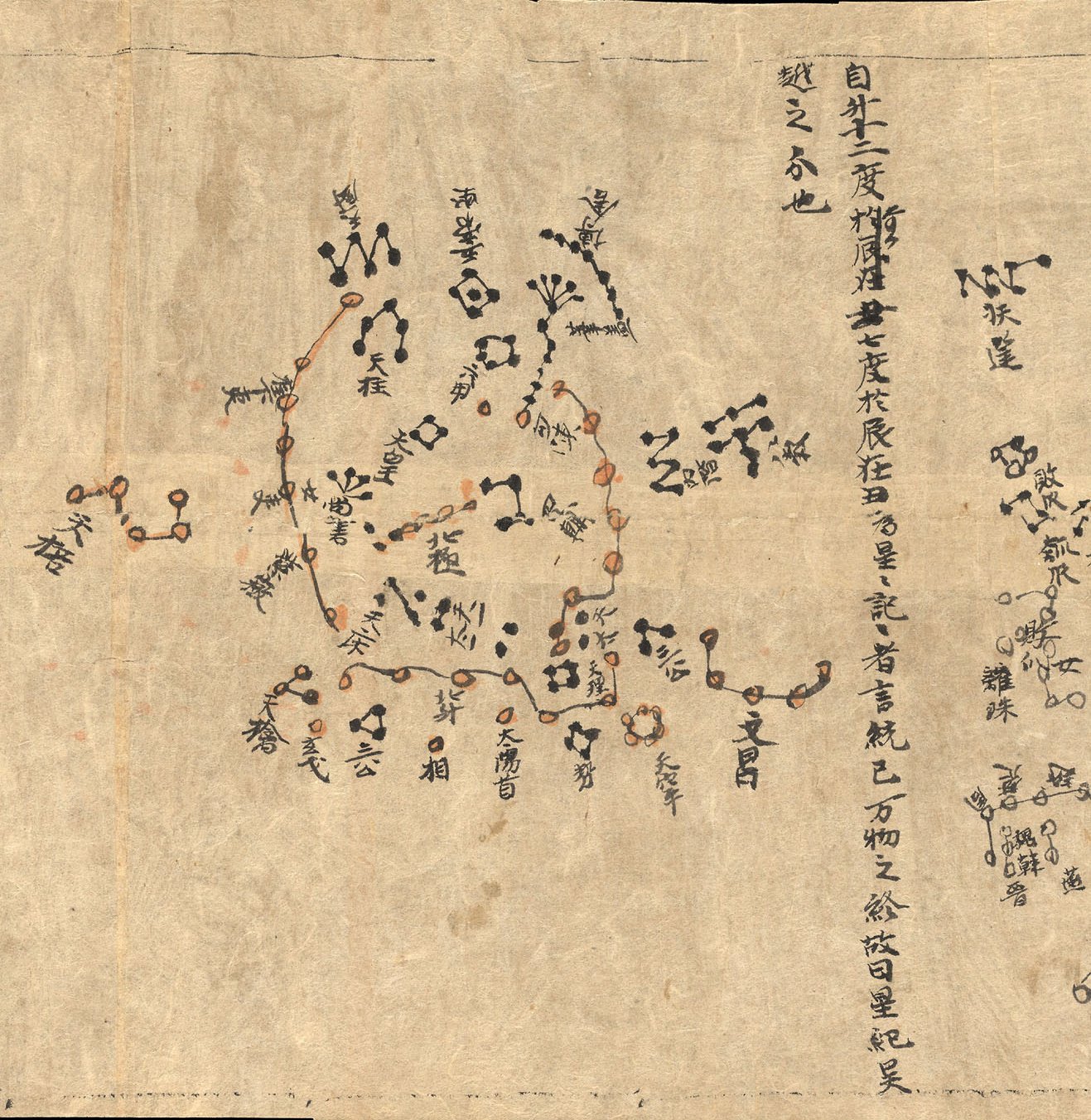
One remarkable record of Chinese astronomy is the Dunhuang Star Atlas, thought to have been made in the second half of the seventh century, during the Tang dynasty. The paper scroll contains thirteen charts showing more than 1,300 stars arranged into 257 groups. What makes it interesting is not only its detail, but also the names and meanings given to those groups.
The sky had counterparts to an imperial palace, advisers, soldiers, markets, and even a palace kitchen. The region around the north celestial pole was associated with the emperor and his court. As the surrounding stars appeared to turn around this region, the arrangement of the sky offered a way to picture order on Earth.
Loading the rest of the essay…